At a Glance
APOD Science APOD APOD: 2026 November 13 – NGC… Today’s APOD Archive Submissions Index Search Calendar RSS Education About Discuss APOD Astronomy Picture of the Day Discover the cosmos!
Table of Contents
Key Questions Answered
What is the core development?
APOD Science APOD APOD: 2026 November 13 – NGC… Today’s APOD Archive Submissions Index Search Calendar RSS Education About Discuss APOD Astronomy Picture of the Day Discover the cosmos!
Why does this matter?
Each day a different image or photograph of our fascinating universe is featured, along with a brief explanation written by a professional astronomer.
What are the wider implications?
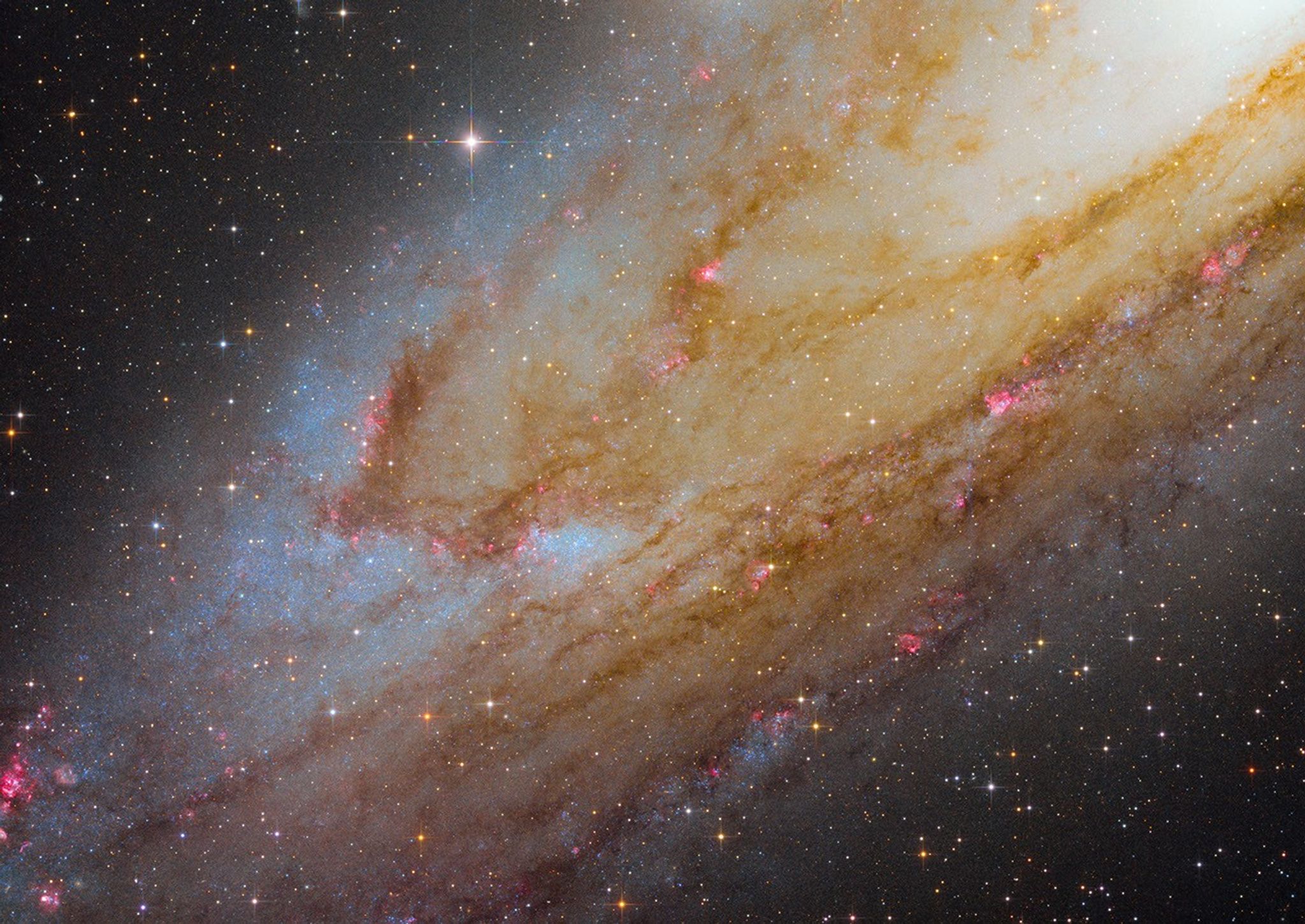
NGC 206 and the Star Clouds of Andromeda Explanation: The large stellar association cataloged as NGC 206 is nestled within the dusty arms of the neighboring Andromeda galaxy along with the galaxy’s pinkish star-forming regions.
Additional Details
- Also known as M31, the spiral galaxy is a mere 2.5 million light-years away.
- NGC 206 is found at the center of this sharp and detailed close-up of the southwestern extent of Andromeda’s disk.
- The bright, blue stars of NGC 206 indicate its youth.
- In fact, its youngest massive stars are less than 10 million years old.
- Much larger than the open or galactic clusters of young stars in the disk of our Milky Way galaxy, NGC 206 spans about 4,000 light-years.
- That’s comparable in size to the giant stellar nurseries NGC 604 in nearby spiral M33 and the Tarantula Nebula in the Large Magellanic Cloud.
- Tomorrow’s picture: pixels on the Moon Date: November 13, 2026 Credit & Copyright: David Cruz Authors & editors: Jerry Bonnell, Cecilia Chirenti, Robert Nemiroff, Keighley Rockcliffe A service of: ASD at NASA / GSFC,NASA Science Activation & Michigan Tech.
- Random APOD Generator Yesterday’s Image APOD: 2026 November 12 – Moon, Venus and Spica Meet Tomorrow’s Image
Next Steps
Follow developing reports and watch for official reactions or updated figures over the coming days.
Impact & Analysis
While the immediate impact is clear, the long-term ramifications for the sector remain a subject of intense debate among experts. As the situation develops, further analysis will be required to fully understand the broader implications for APOD: 2026 November 13 – NGC 206 and the Star Clouds of Andromeda.
Timeline
- Initial update published by source.
- Key details emerged in follow-up reporting.
- Further confirmation expected in upcoming official statements.
Background Context
APOD Science APOD APOD: 2026 November 13 – NGC… Today’s APOD Archive Submissions Index Search Calendar RSS Education About Discuss APOD Astronomy Picture of the Day Discover the cosmos! Each day a different image or photograph of our fascinating universe is featured, along with a brief explanation written by a professional astronomer. NGC 206 and the Star Clouds of Andromeda Explanation: The large stellar association cataloged as NGC 206 is nestled within the dusty arms of the neighboring Andromeda galaxy along with the galaxy’s pinkish star-forming regions. Also known as M31, the spiral galaxy is a mere 2.5 million light-years away. NGC 206 is found at the center of this sharp and detailed close-up of the southwestern extent of Andromeda’s disk. The bright, blue stars of NGC 206 indicate its youth. In fact, its youngest massive stars are less than 10 million years old. Much larger than the open or galactic clusters of young stars in the disk of our Milky Way galaxy, NGC 206 spans about 4,000 light-years. That’s comparable in size to the giant stellar nurseries NGC 604 in nearby spiral M33 and the Tarantula Nebula in the Large Magellanic Cloud. Tomorrow’s picture: pixels on the Moon Date: November 13, 2026 Credit & Copyright: David Cruz Authors & editors: Jerry Bonnell, Cecilia Chirenti, Robert Nemiroff, Keighley Rockcliffe A service of: ASD at NASA / GSFC,NASA Science Activation & Michigan Tech. U. Random APOD Generator Yesterday’s Image APOD: 2026 Nov
Source: NASA – Original Link
Source: NASA