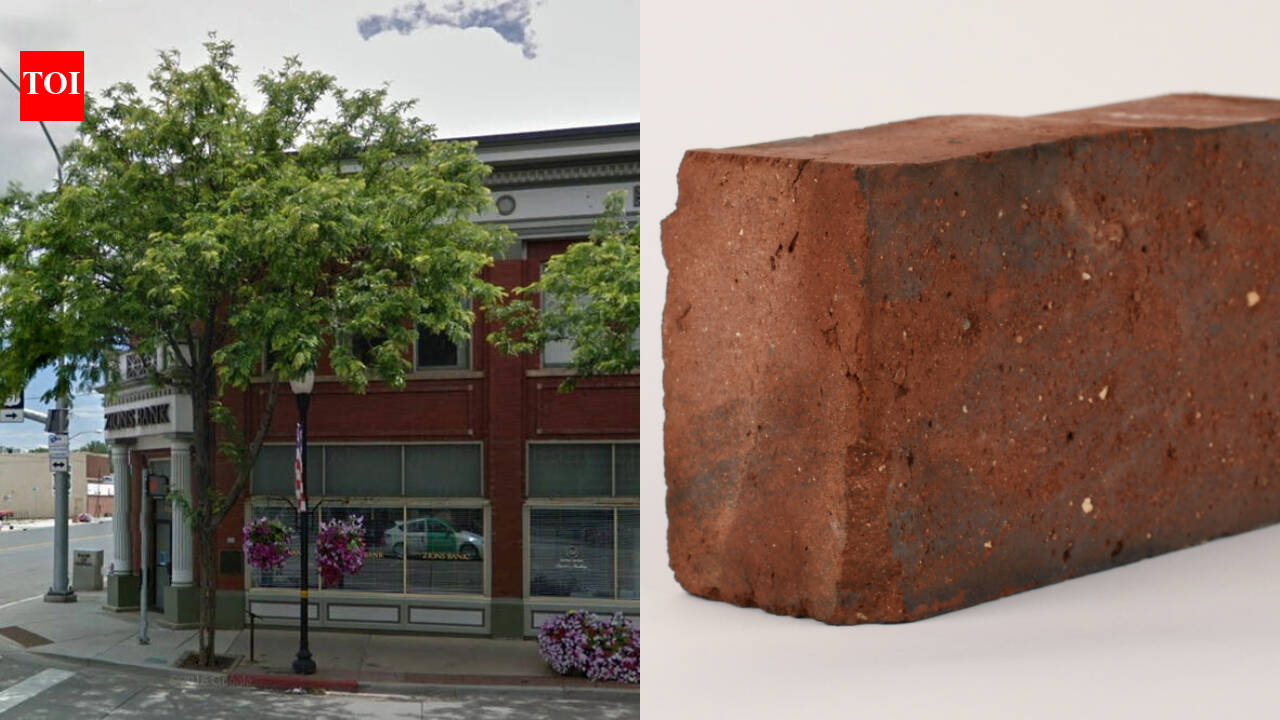
In 1916, the directors of the Bank of Vernal needed bricks for a new building project.
Table of Contents
The Bigger Picture
They faced high transportation costs due to poor road conditions in rural Utah.
What We Know So Far
- A director discovered that shipping bricks by postal service was a cheaper option, allowing many small packages to be sent.
- This unique approach led to changes in postal regulations regarding large shipments.
What Comes Next
Ongoing coverage will track developments as new information becomes available from official and independent sources.
Impact & Analysis
This move is likely to resonate across the regional market, setting a new benchmark for operational standards and public expectations. As the situation develops, further analysis will be required to fully understand the broader implications for Utah banker mailed 37 tons of bricks to build a bank, forcing postal rule changes.
Timeline
- Initial update published by source.
- Key details emerged in follow-up reporting.
- Further confirmation expected in upcoming official statements.
Background Context
In 1916, the directors of the Bank of Vernal needed bricks for a new building project. They faced high transportation costs due to poor road conditions in rural Utah. A director discovered that shipping bricks by postal service was a cheaper option, allowing many small packages to be sent. This unique approach led to changes in postal regulations regarding large shipments.
Quick FAQ
Q: What is the key update?
In 1916, the directors of the Bank of Vernal needed bricks for a new building project.
Q: What should readers watch next?
Watch for verified numbers, official reactions, and timeline changes.
Source: Times of India – Original Link
Source: Times of India