Top Line
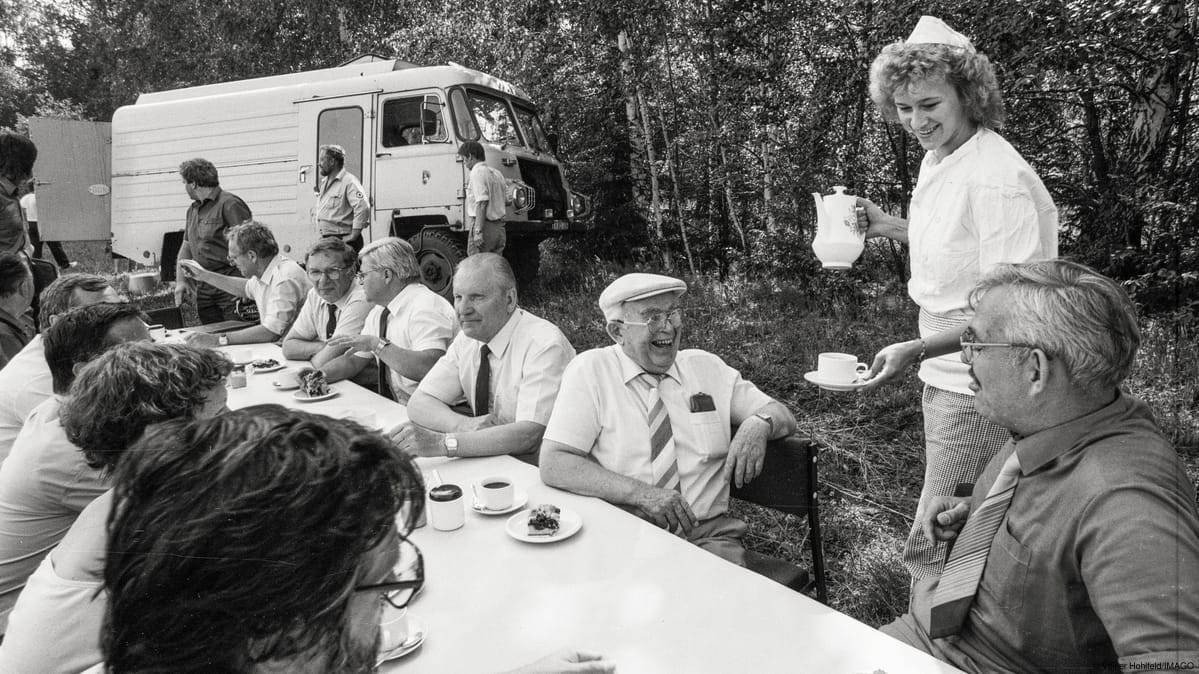
When East Germany could no longer afford to import coffee, it introduced a substitute blend containing rye and chicory in 1977.
Highlights
- A public outcry ensued.
- The solution to the problem lay 9,000 kilometers away — in Vietnam.
Outlook
Watch for verified updates, policy responses, and expert analysis in the hours and days ahead.
Impact & Analysis
This move is likely to resonate across the regional market, setting a new benchmark for operational standards and public expectations. As the situation develops, further analysis will be required to fully understand the broader implications for How East Germany boosted Vietnam's coffee industry.
Timeline
- Initial update published by source.
- Key details emerged in follow-up reporting.
- Further confirmation expected in upcoming official statements.
Background Context
When East Germany could no longer afford to import coffee, it introduced a substitute blend containing rye and chicory in 1977. A public outcry ensued. The solution to the problem lay 9,000 kilometers away — in Vietnam.
Quick FAQ
Q: What is the key update?
When East Germany could no longer afford to import coffee, it introduced a substitute blend containing rye and chicory in 1977.
Q: What should readers watch next?
Watch for verified numbers, official reactions, and timeline changes.
Source: Deutsche Welle: DW.com – Top Stories – Original Link