Top Line
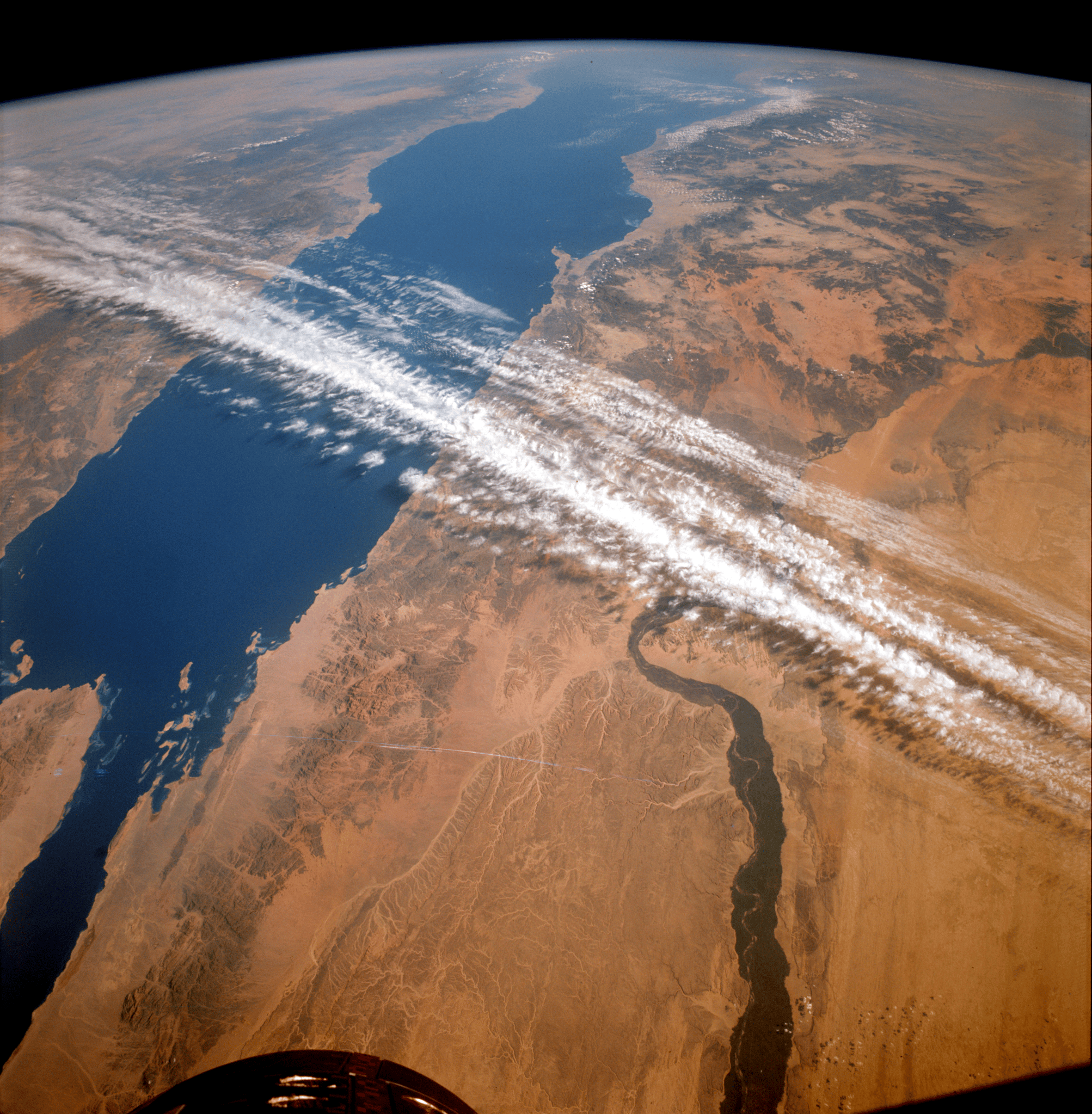
NASA astronauts James A.
Highlights
- “Buzz” Aldrin Jr.
- captured this image of the area surrounding the Red Sea and Nile river valley on November 14, 1966, during their four-day mission in space.
- Gemini XII was the final flight of NASA’s Gemini Program.NASA Astronauts James A.
- “Buzz” Aldrin Jr.
- orbited Earth from November 11 to 15, 1966, on Gemini XII, the final mission of NASA’s Gemini program.
- In addition to successfully completing rendezvous maneuvers and spacewalks, procedures vital to sending American astronauts to the Moon, the crew was also spurring the development of a different field of exploration, observing Earth from space.
- The photos taken by Lovell, Aldrin, and other Gemini astronauts demonstrated the value of orbital imagery for studying Earth’s surface.
- Their images helped scientists make the case for a dedicated Earth observation satellite program.
- One of strongest advocates for accelerating the use of Earth-observing satellites was William T.
- Pecora, the director of the United States Geological Survey from 1965 to 1971.
- In a 1969 statement, Pecora noted that the Earth Resources Observation Satellite (EROS) program he championed, and which later paved the way for Landsat, was “conceived in 1966 largely as a direct result of the demonstrated utility of Mercury and Gemini orbital photography to Earth resource studies.” For more than five decades, Landsat and other Earth-observing satellites have provided invaluable data used around the world to monitor crops, wildfires, flooding, vegetation health, land use, and countless other changes to our planet.
Outlook
Watch for verified updates, policy responses, and expert analysis in the hours and days ahead.
Impact & Analysis
This development marks a significant shift in the current landscape, suggesting that stakeholders may need to re-evaluate their long-term strategies. As the situation develops, further analysis will be required to fully understand the broader implications for Gemini Astronaut Photos Inspired Early Earth Observation Program.
Timeline
- Initial update published by source.
- Key details emerged in follow-up reporting.
- Further confirmation expected in upcoming official statements.
Background Context
NASA astronauts James A. Lovell Jr. and Edwin E. “Buzz” Aldrin Jr. captured this image of the area surrounding the Red Sea and Nile river valley on November 14, 1966, during their four-day mission in space. Gemini XII was the final flight of NASA’s Gemini Program.NASA Astronauts James A. Lovell Jr. and Edwin E. “Buzz” Aldrin Jr. orbited Earth from November 11 to 15, 1966, on Gemini XII, the final mission of NASA’s Gemini program. In addition to successfully completing rendezvous maneuvers and spacewalks, procedures vital to sending American astronauts to the Moon, the crew was also spurring the development of a different field of exploration, observing Earth from space. The photos taken by Lovell, Aldrin, and other Gemini astronauts demonstrated the value of orbital imagery for studying Earth’s surface. Their images helped scientists make the case for a dedicated Earth observation satellite program. One of strongest advocates for accelerating the use of Earth-observing satellites was William T. Pecora, the director of the United States Geological Survey from 1965 to 1971. In a 1969 statement, Pecora noted that the Earth Resources Observation Satellite (EROS) program he championed, and which later paved the way for Landsat, was “conceived in 1966 largely as a direct result of the demonstrated utility of Mercury and Gemini orbital photography to Earth resource studies.” For more than five decades, Landsat and other Earth-obs
Quick FAQ
Q: What is the key update?
NASA astronauts James A.
Q: What should readers watch next?
Watch for verified numbers, official reactions, and timeline changes.
Source: NASA – Original Link
Source: NASA