Top Line
X-ray: NASA/CXC/Univ.
Highlights
- Aghakhanloo et al.; Optical: SDSS; Image Processing: NASA/CXC/SAO/P.
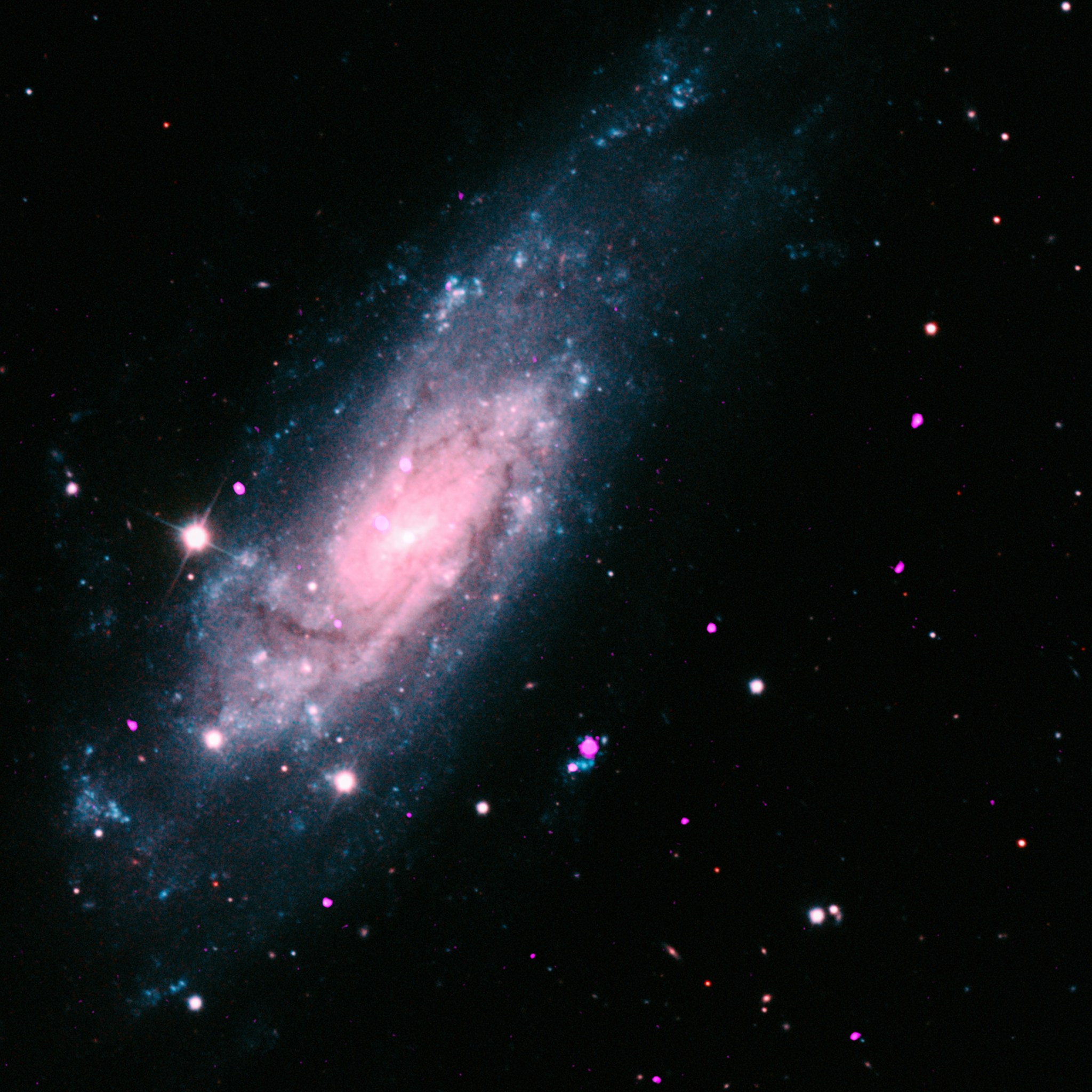
- Edmonds Using NASA’s Chandra X-ray Observatory, astronomers have discovered what is triggering repeated outbursts from a giant, unstable star located in the galaxy shown in this image released on Nov.
- The volatile star, known as AT 2016blu, is in the spiral galaxy NGC 4559, located about 30 million light-years from Earth.
- Astronomers estimate the mass of this star is at least 33 times that of the Sun.
- Read more about the discovery.
- Image credit: X-ray: NASA/CXC/Univ.
- Aghakhanloo et al.; Optical: SDSS; Image Processing: NASA/CXC/SAO/P.
Outlook
Watch for verified updates, policy responses, and expert analysis in the hours and days ahead.
Impact & Analysis
Analysts suggest that the underlying factors driving this change are rooted in evolving consumer behaviors and shifting economic pressures. As the situation develops, further analysis will be required to fully understand the broader implications for Outbursts from a Massive Star.
Timeline
- Initial update published by source.
- Key details emerged in follow-up reporting.
- Further confirmation expected in upcoming official statements.
Background Context
X-ray: NASA/CXC/Univ. of Virginia/M. Aghakhanloo et al.; Optical: SDSS; Image Processing: NASA/CXC/SAO/P. Edmonds Using NASA’s Chandra X-ray Observatory, astronomers have discovered what is triggering repeated outbursts from a giant, unstable star located in the galaxy shown in this image released on Nov. 9, 2026. The volatile star, known as AT 2016blu, is in the spiral galaxy NGC 4559, located about 30 million light-years from Earth. Astronomers estimate the mass of this star is at least 33 times that of the Sun. Read more about the discovery. Image credit: X-ray: NASA/CXC/Univ. of Virginia/M. Aghakhanloo et al.; Optical: SDSS; Image Processing: NASA/CXC/SAO/P. Edmonds
Quick FAQ
Q: What is the key update?
X-ray: NASA/CXC/Univ.
Q: What should readers watch next?
Watch for verified numbers, official reactions, and timeline changes.
Source: NASA – Original Link
Source: NASA

