Top Line
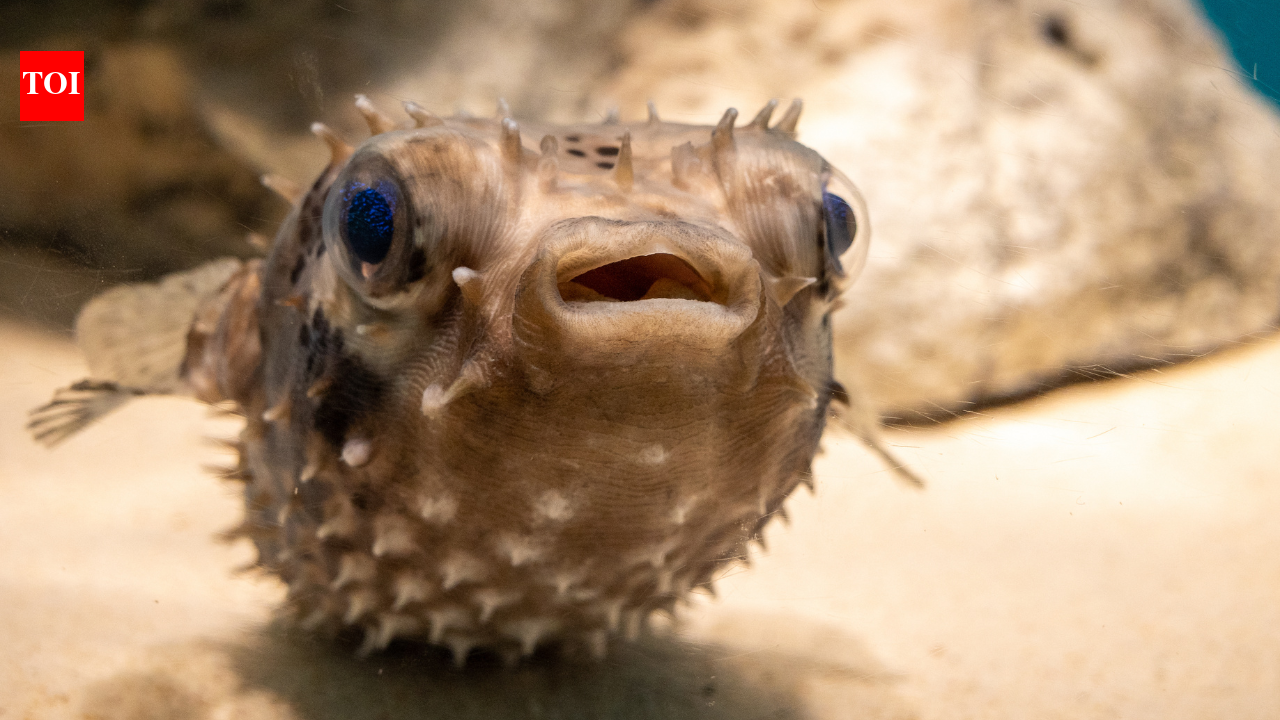
In a fascinating discovery, researchers have found that mother pufferfish provide their larvae with a nearly non-toxic chemical that effectively helps them escape predators.
Highlights
- This chemical deters potential threats by making them unpalatable, thus improving the young fish's chances of survival.
- Additionally, this same chemical intriguingly attracts other pufferfish, revealing a unique dual role that aids in their survival strategies during vulnerable stages.
Outlook
Watch for verified updates, policy responses, and expert analysis in the hours and days ahead.
Impact & Analysis
This move is likely to resonate across the regional market, setting a new benchmark for operational standards and public expectations. As the situation develops, further analysis will be required to fully understand the broader implications for Baby pufferfish inherit chemical defence from mothers to deter predators.
Timeline
- Initial update published by source.
- Key details emerged in follow-up reporting.
- Further confirmation expected in upcoming official statements.
Background Context
In a fascinating discovery, researchers have found that mother pufferfish provide their larvae with a nearly non-toxic chemical that effectively helps them escape predators. This chemical deters potential threats by making them unpalatable, thus improving the young fish's chances of survival. Additionally, this same chemical intriguingly attracts other pufferfish, revealing a unique dual role that aids in their survival strategies during vulnerable stages.
Quick FAQ
Q: What is the key update?
In a fascinating discovery, researchers have found that mother pufferfish provide their larvae with a nearly non-toxic chemical that effectively helps them escape predators.
Q: What should readers watch next?
Watch for verified numbers, official reactions, and timeline changes.
Source: Times of India – Original Link
Source: Times of India

