At a Glance
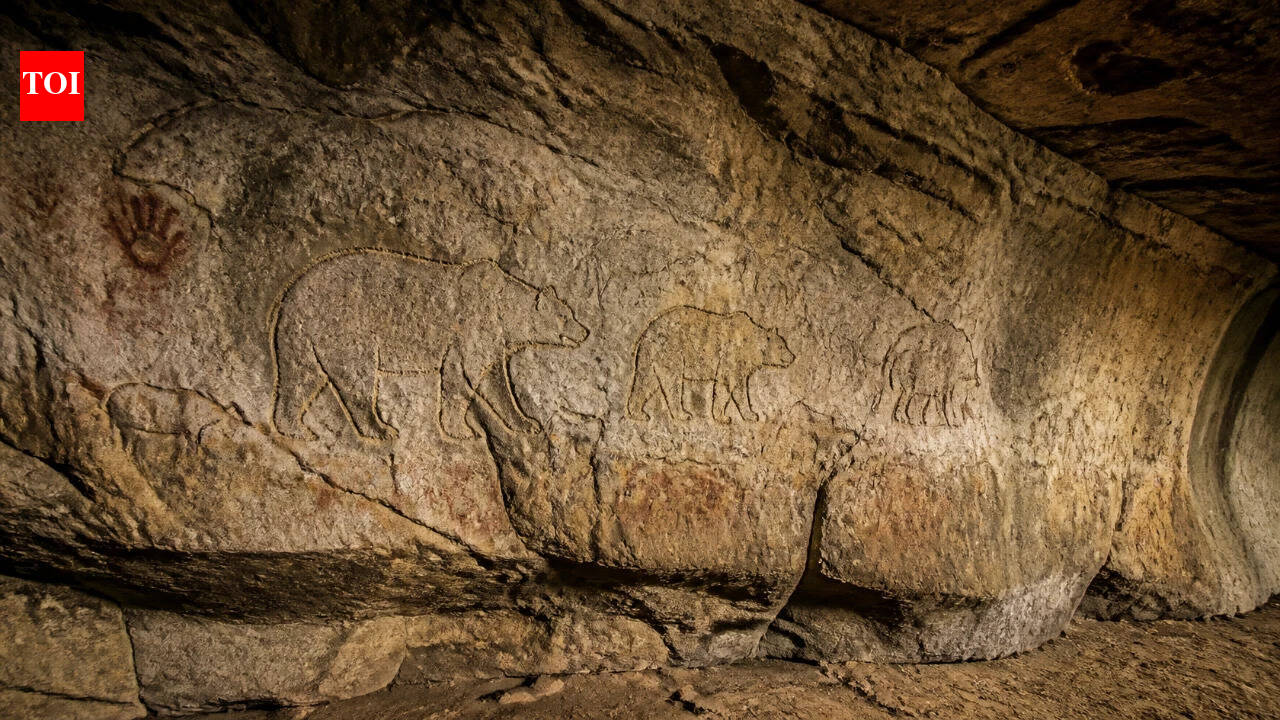
A remarkable archaeological find at Cova de la Font Major has revealed 280 Palaeolithic engravings, showcasing diverse motifs of animals and geometric shapes.
Table of Contents
Key Questions Answered
What is the core development?
A remarkable archaeological find at Cova de la Font Major has revealed 280 Palaeolithic engravings, showcasing diverse motifs of animals and geometric shapes.
Why does this matter?
This challenges the previously held notion that cave art was scarce in northeastern Iberia, where only two pieces were known.
What are the wider implications?
These engravings suggest the existence of unique artistic traditions independent of the famous Franco-Cantabrian region, offering new insights into the cultural practices of Ice Age Europe.
Next Steps
Follow developing reports and watch for official reactions or updated figures over the coming days.
Impact & Analysis
Observers note that the timing of this announcement aligns with broader industry trends, potentially accelerating similar moves by competitors. As the situation develops, further analysis will be required to fully understand the broader implications for 280 Ice Age engravings found in Spanish cave overlooked for 60 years.
Timeline
- Initial update published by source.
- Key details emerged in follow-up reporting.
- Further confirmation expected in upcoming official statements.
Background Context
A remarkable archaeological find at Cova de la Font Major has revealed 280 Palaeolithic engravings, showcasing diverse motifs of animals and geometric shapes. This challenges the previously held notion that cave art was scarce in northeastern Iberia, where only two pieces were known. These engravings suggest the existence of unique artistic traditions independent of the famous Franco-Cantabrian region, offering new insights into the cultural practices of Ice Age Europe.
Source: Times of India – Original Link
Source: Times of India