Top Line
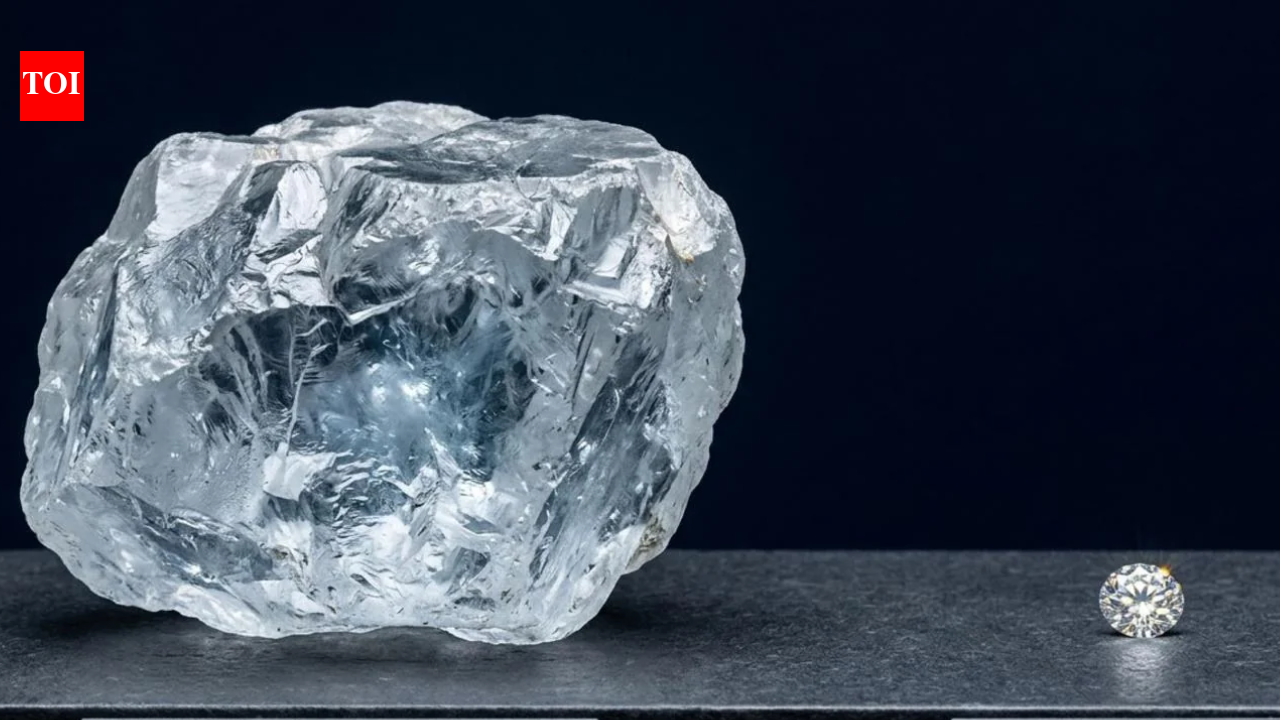
Frederick Wells discovered the enormous Cullinan diamond in South Africa in 1905 while working at the Premier Mine.
Highlights
- Its exceptional size caught public attention, leading to its purchase by the Transvaal government for King Edward VII.
- The diamond was carefully cut into several gemstones over eight months, resulting in noteworthy pieces for the British royal collection.
- Following Edward VII's death, the largest stone was incorporated into the Sovereign's Sceptre.
Outlook
Watch for verified updates, policy responses, and expert analysis in the hours and days ahead.
Impact & Analysis
Observers note that the timing of this announcement aligns with broader industry trends, potentially accelerating similar moves by competitors. As the situation develops, further analysis will be required to fully understand the broader implications for 3,106-carat Cullinan diamond became 530-carat gem in British royal sceptre.
Timeline
- Initial update published by source.
- Key details emerged in follow-up reporting.
- Further confirmation expected in upcoming official statements.
Background Context
Frederick Wells discovered the enormous Cullinan diamond in South Africa in 1905 while working at the Premier Mine. Its exceptional size caught public attention, leading to its purchase by the Transvaal government for King Edward VII. The diamond was carefully cut into several gemstones over eight months, resulting in noteworthy pieces for the British royal collection. Following Edward VII's death, the largest stone was incorporated into the Sovereign's Sceptre.
Quick FAQ
Q: What is the key update?
Frederick Wells discovered the enormous Cullinan diamond in South Africa in 1905 while working at the Premier Mine.
Q: What should readers watch next?
Watch for verified numbers, official reactions, and timeline changes.
Source: Times of India – Original Link
Source: Times of India

