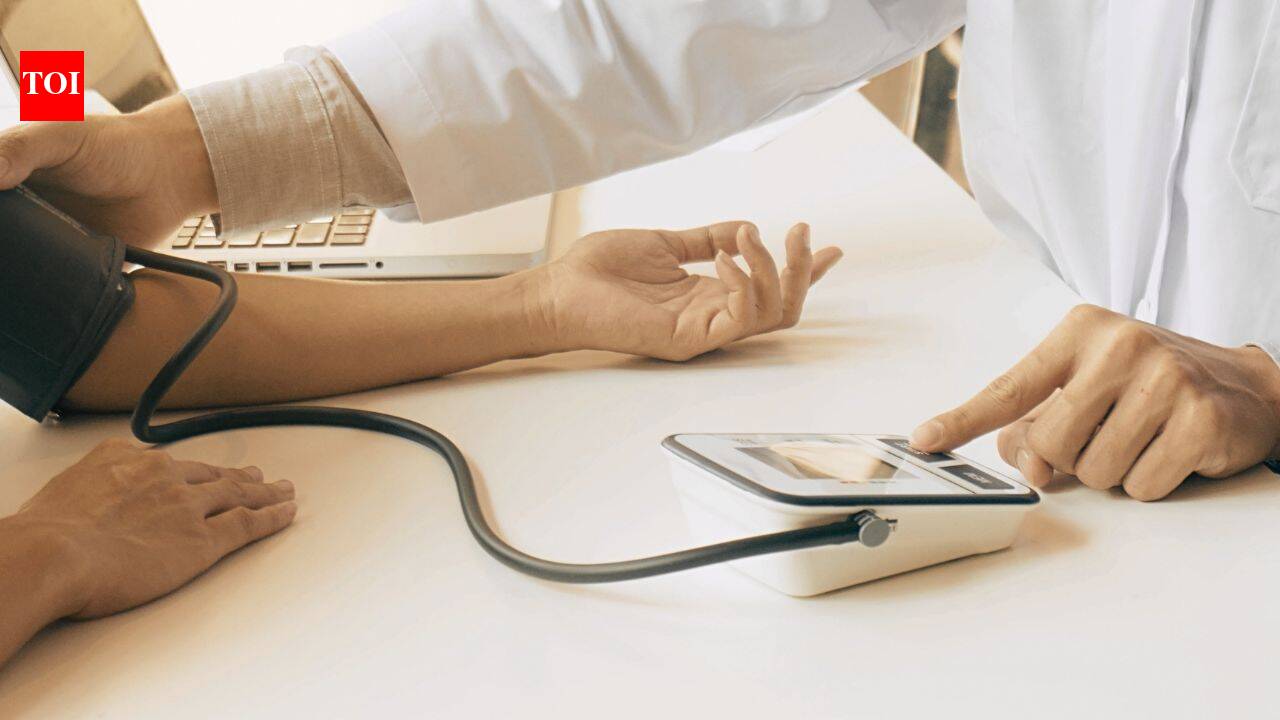
A recent study shows that stimulating the ear can help lower blood pressure.
Table of Contents
The Bigger Picture
Known as transcutaneous autonomic neuromodulation, this innovative approach may offer an effective solution for managing hypertension.
What We Know So Far
- In a clinical trial with 63 participants who struggled with uncontrolled hypertension despite medication, those with severe cases displayed encouraging results.
- However, further research is essential to validate the efficacy of this non-invasive technique.
What Comes Next
Ongoing coverage will track developments as new information becomes available from official and independent sources.
Impact & Analysis
This move is likely to resonate across the regional market, setting a new benchmark for operational standards and public expectations. As the situation develops, further analysis will be required to fully understand the broader implications for Small trial finds ear device for high BP safe and easy to use at home.
Timeline
- Initial update published by source.
- Key details emerged in follow-up reporting.
- Further confirmation expected in upcoming official statements.
Background Context
A recent study shows that stimulating the ear can help lower blood pressure. Known as transcutaneous autonomic neuromodulation, this innovative approach may offer an effective solution for managing hypertension. In a clinical trial with 63 participants who struggled with uncontrolled hypertension despite medication, those with severe cases displayed encouraging results. However, further research is essential to validate the efficacy of this non-invasive technique.
Quick FAQ
Q: What is the key update?
A recent study shows that stimulating the ear can help lower blood pressure.
Q: What should readers watch next?
Watch for verified numbers, official reactions, and timeline changes.
Source: Times of India – Original Link
Source: Times of India